
Healthy Living
Measles Update 2026: What Parents Need to Know
Measles is a serious health concern that can be especially dangerous for babies and young children. The Centers for Disease Control and Prevention (CDC) continues to monitor measles cases and outbreaks across the United States.
Where Are the Outbreaks Occurring?
As of September 3, 2026, the CDC reports 3,134 confirmed measles cases in the U.S. Of these, 3,118 cases were reported across 47 jurisdictions: Alabama, Alaska, Arizona, California, Colorado, Connecticut, Delaware, District of Columbia, Florida, Georgia, Idaho, Illinois, Indiana, Iowa, Kansas, Kentucky, Louisiana, Maine, Maryland, Massachusetts, Michigan, Minnesota, Missouri, Montana, Nebraska, New Jersey, New Mexico, New York City, New York State, North Carolina, North Dakota, Ohio, Oklahoma, Oregon, Pennsylvania, Rhode Island, South Carolina, South Dakota, Tennessee, Texas, Utah, Vermont, Virginia, Washington, West Virginia, Wisconsin and Wyoming.
An additional 16 cases were reported among international visitors to the United States. So far this year, 38 new measles outbreaks have been reported, with 95% of confirmed cases associated with outbreaks.
Meanwhile, measles vaccination coverage among U.S. kindergartners has also declined in recent years. Coverage decreased from 95.2% during the 2019–2020 school year to 92.4% during the 2025–2026 school year, leaving approximately 280,000 kindergartners at risk.
When more than 95% of people in a community are vaccinated, most people are protected through community immunity (herd immunity). However, vaccination coverage can vary considerably between local communities and pockets of unvaccinated people can exist even in states with high overall vaccination coverage. When measles enters a community with lower vaccination rates, outbreaks can occur.
4 Things Parents Need to Know About Measles
- Measles can be serious. It is an extremely infectious and potentially severe rash illness, especially in those under the age of 5. In 2025, 11% of measles cases required hospitalization and 18% of children under 5 with measles were hospitalized.
- Measles is extremely contagious. It spreads through the air when an infected person coughs or sneezes. The CDC states that if a person has measles, up to 9 out of 10 unprotected close contacts will become infected.
- Measles can still spread in the United States. Even though measles was declared eliminated in the U.S. in 2000 due to an effective vaccination program, it remains common in many parts of the world. Each year, measles is brought to the United States by unvaccinated travelers (Americans and foreign visitors) who contract measles when they are in other countries. Anyone who is not protected from measles is at risk.
- Vaccination is the best protection against measles. The CDC says the best protection is the measles, mumps and rubella (MMR) vaccine, which provides long-lasting protection against all measles strains.
Children need two doses of the MMR vaccine to get the best protection:
- The first dose at 12-15 months of age
- The second dose at 4-6 years of age
Note: If your family is traveling outside the U.S., the CDC recommends:
- Babies between 6 and 11 months old should get one dose of the MMR vaccine before traveling.
- Children 12 months or older need two doses of the MMR vaccine (given at least 28 days apart) before departure.
Common Symptoms of Measles
The following symptoms typically appear seven to 14 days after exposure to the virus:
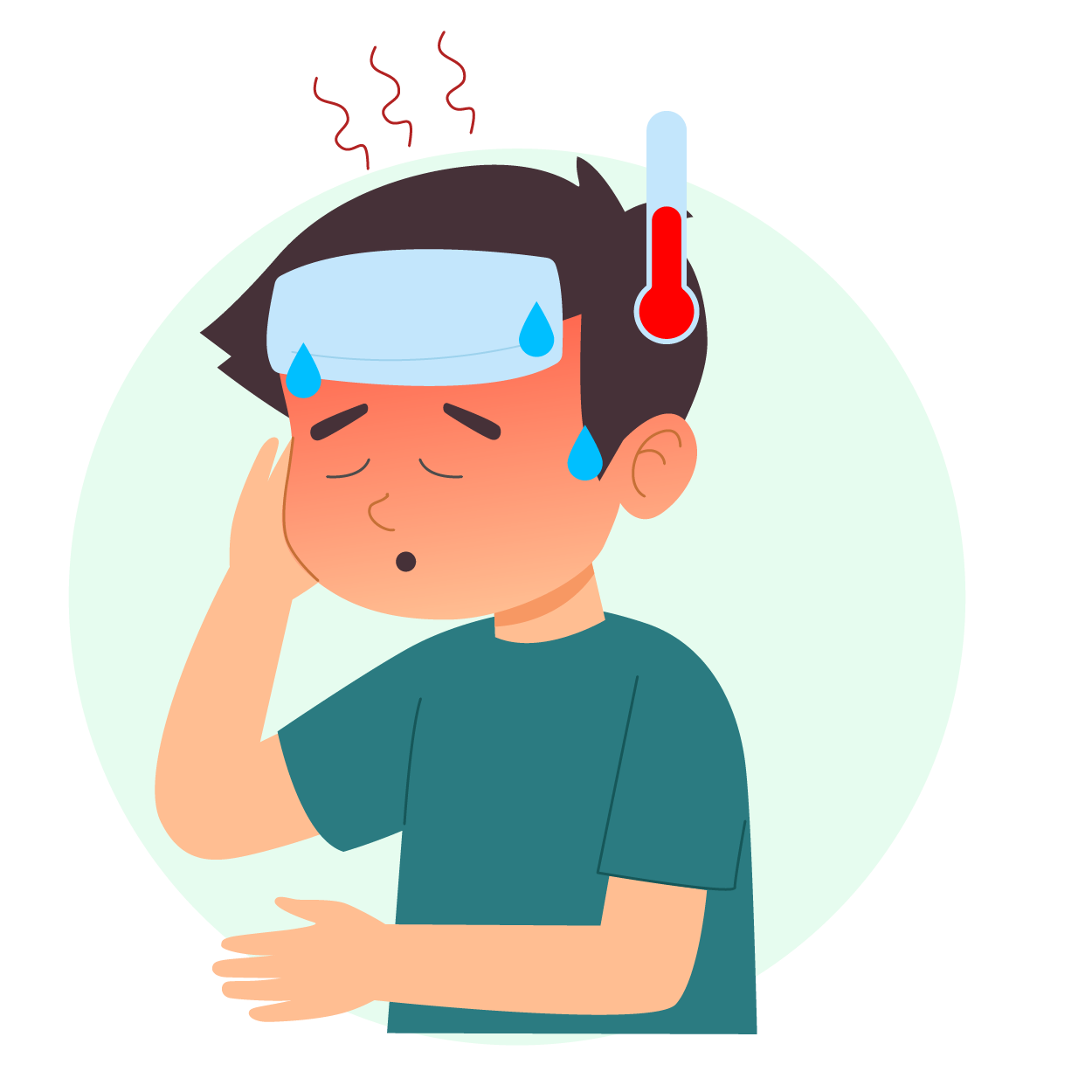
High fever |
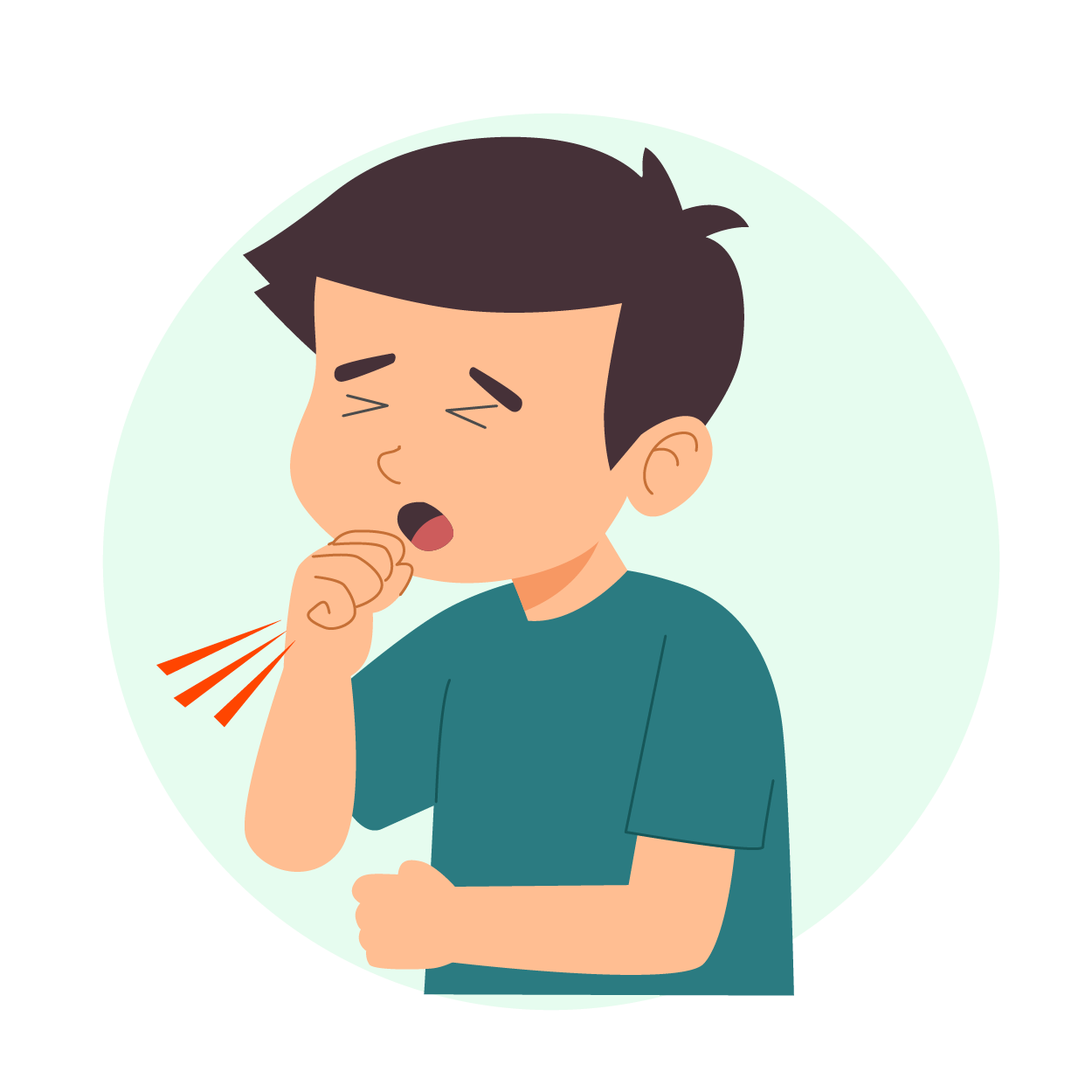
Cough |
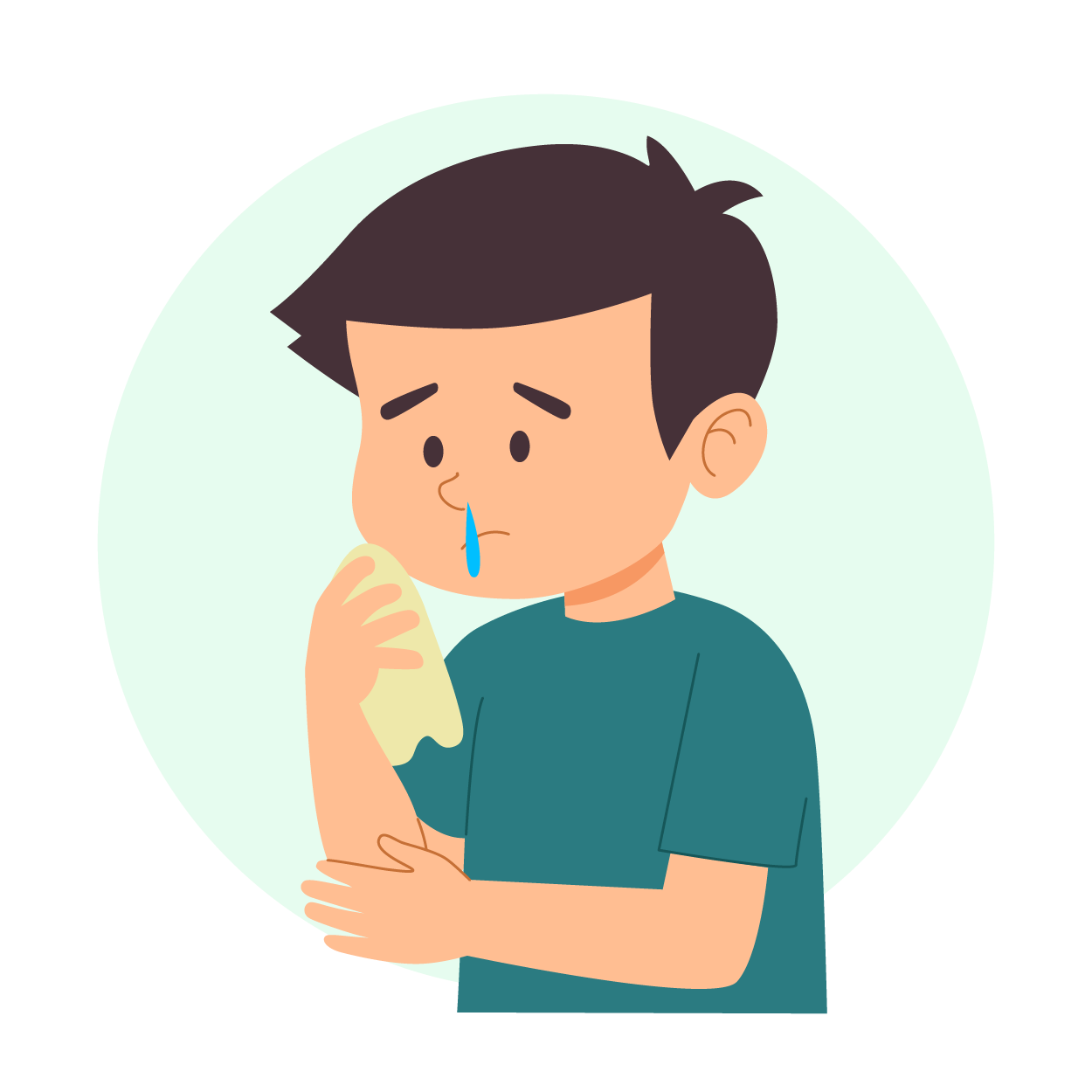
Runny nose |
Red, watery eyes |
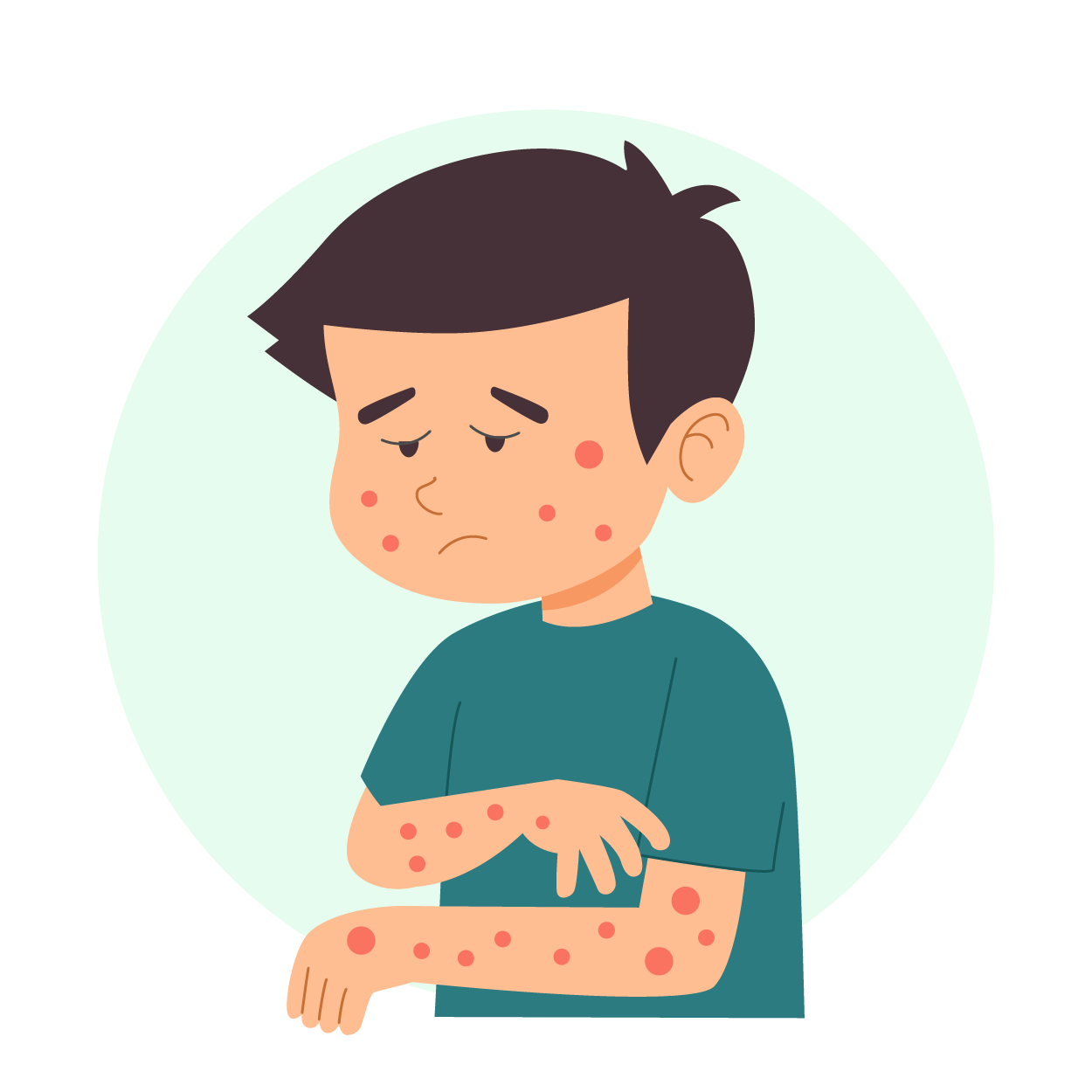
Flat red spots |

How Can Parents Help Protect Their Families?
If your child has been exposed to measles, the CDC says to contact your healthcare provider right away to help determine your child’s immunity to the virus. To find a doctor, call the number above or click "Schedule an Appointment" to book your visit.
Sources: Centers for Disease Control and Prevention