



Find an Oncologist
Breast Cancer Quiz
Eat This, Not That: Foods to Fight Breast Cancer
A combination of factors can raise a woman's risk for breast cancer. While there are risks that cannot be controlled, such as aging or genetics, a healthy diet can boost the immune system and help lower a woman’s chances of having breast cancer.
Research suggests that dietary factors are partly responsible for about 30-40% of all cancers. For example, high-fat diets can lead to obesity, which is a breast cancer risk factor. Extra fat cells in the body make estrogen that causes extra breast cell growth, increasing the probability of breast cancer among women with obesity.
Subscribing to a balanced diet rich in vegetables, fruits, whole grains, chicken and fish is also important for women who have been diagnosed with breast cancer.
Here are some tips to help you get the nutrition you need in your daily diet and fight breast cancer with every bite.
Eat This:
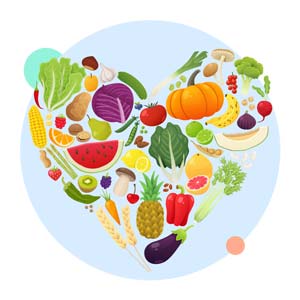 Fruits and vegetables. Dietitians recommend eating more than five cups of a variety of fruits and vegetables a day. |
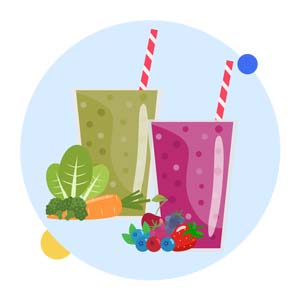 Whole fruits and vegetable smoothies. Eat your fruits and juice your vegetables. Whole fruit contains fiber that helps you feel fuller than fruit juice. Homemade vegetable smoothies are an easy way to incorporate more than one vegetable at a time. |
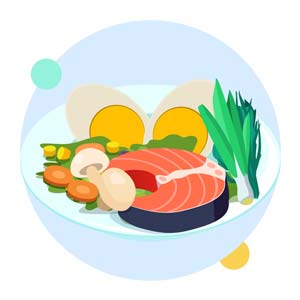 Low-fat foods. Bake or broil your dishes or use fat-free cooking techniques for a healthier alternative. Breading and frying increase the calories and fat in your food. |
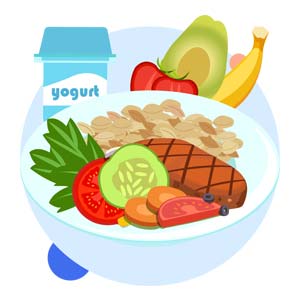 Healthy plate. Divide your dinner plate into sections. Fill two-thirds of your plate with vegetables, fruits, whole grains or beans then allot one-third or less of your plate for meat and dairy products. |
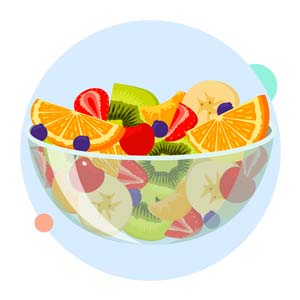 Cut-up vegetables and fruits for snacks. Substitute chips with homemade cut-up vegetables and fruits. Beat your afternoon energy slump with organic baby carrots, bell pepper strips, orange sections, fat-free yogurt or a handful of almonds. |
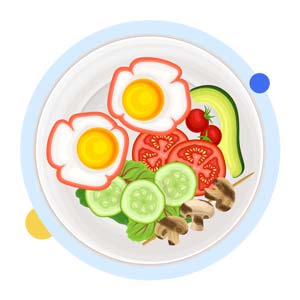 Eggs. Get creative with your scrambled eggs or omelets and add broccoli, tomatoes or zucchini in the mix. |
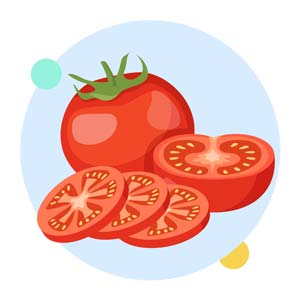 Tomatoes. Load up on antioxidant lycopene with a serving of raw tomatoes in salad, sandwiches, salsa or juice or cooked in sauces, which boosts its nutritional value. |
Not That:
- Empty calories. Avoid snacking on store-brought cookies, crackers, snack foods, fried foods, pastries and other baked goods rich in trans-fat.
- Processed meats and cold cuts. Choose lean cuts of meats, fish and poultry instead.
- Salt-cured, pickled and smoked foods. These foods contain high amounts of salt and nitrates which may cause high blood pressure.
- Regular salad dressing. Choose non-fat or low-fat dressing for your salads. Put a small amount of dressing on the side and dip your fork in it before spreading your salad.
- Margarine. Cook with chicken broth or vegetable stock instead to enhance the flavor of your dish.
Eating nutritious foods can help fight off breast cancer and other serious lifelong conditions, such as heart disease and diabetes. If your current diet is not working for you, consult with your physician or dietitian for healthy options that fit your unique needs. Please don't delay care. We are here for you.
Sources:
Centers for Disease Control and Prevention
Breastcancer.org
Medical News Today
Healthline