
Diagnosing Breast Cancer
Breast cancer can strike anyone, young or old, male or female, from all ethnic backgrounds and walks of life. Former First Lady Betty Ford, Good Morning America anchor Robin Roberts, singer Olivia Newton-John and actor Richard Roundtree are all breast cancer survivors. Their breast cancer experiences began when the disease was diagnosed because a symptom or screening test suggested breast cancer.
The most common sign of breast cancer is a lump or mass. Other common symptoms include breast swelling, skin irritation, the nipple turning inward, nipple discharge (not breast milk), and breast or nipple pain. These signs may be noticed during a breast self-exam, routine clinical breast exam or screening mammogram. If a suspicious-looking area is detected, additional testing will be used to either confirm a breast cancer diagnosis or identify a benign condition.
Three tests used to diagnose breast conditions are diagnostic mammogram, ultrasound and magnetic resonance imaging (MRI). A diagnostic mammogram, which generates X-ray pictures, focuses on a specific area of the breast and takes more detailed pictures of the areas that look abnormal. An ultrasound, which uses sound waves, can help doctors determine if an abnormality is a benign fluid-filled cyst or a potentially cancerous solid mass. MRI, which uses radio waves and strong magnets, is sometimes used to look for tumors that did not appear on a mammogram.
Imaging tests can help locate a breast mass, but they cannot confirm a breast cancer diagnosis. This is done during a biopsy to remove cells or tissue samples for laboratory testing. There are three main types of biopsies:
- Fine needle aspiration biopsy involves inserting a very thin needle into the suspicious area to withdraw cells. Ultrasound may be used to guide the needle if the lump cannot be easily located.
- Core needle biopsy uses a slightly larger needle to remove three to five small cylinders of tissue from the breast abnormality. Larger core biopsies can be performed using suction to remove tissue samples.
- Surgery may be recommended to remove all or part of a lump for examination. During an incisional biopsy, a sample is removed from the abnormal area. An excisional biopsy involves removing the entire mass as well as a surrounding margin of normal tissue.
If cancer cells are found after a biopsy, test results can determine the cancer type and whether it is invasive (likely to spread) or in situ (localized). Invasive cancers are assigned a grade based on how closely the sample resembles normal tissue and the likelihood the cancer will grow and spread. An estrogen and progesterone receptor test can determine if hormone therapy may help stop the cancer from growing. A human epidermal growth factor receptor-2 test can measure a growth factor protein that may cause cancer cells to spread more aggressively.
For more information about breast cancer, talk with your doctor or visit the American Cancer Society website at www.cancer.org.
For a physician referral, call Palm Beach Health Network at (561) 625-5070.

Find an Oncologist
Don't wait another day to receive the quality cancer care you deserve.
_950x620.jpg?sfvrsn=cf9efaa0_6)
Breast Cancer Quiz
How much do you know about breast cancer? Could you be at risk?
More Information
Your Guide to Dense Breasts and Breast Cancer Risk
A new FDA ruling requires mammogram facilities to include information about breast density in mammogram reports. Dense breasts are a common and normal condition in which there is more fibrous and glandular tissue (called fibroglandular tissue) than fatty tissue in the breast. Almost half of women over the age of 40 have dense breasts. While this is perfectly normal, it’s important to understand what having dense breasts means for your health.
Dense breast tissue can make it challenging for doctors to spot signs of breast cancer on a mammogram. It may also slightly increase your risk of developing breast cancer. This doesn’t mean you should worry, but it does mean you should be informed.
Why Is Breast Density Important?
Breast density is important for two key reasons:
1. Can Make Mammograms Challenging to Read
Dense breast tissue shows up as white on a mammogram. The problem is that cancer also shows up as white, making it difficult for doctors to tell the difference between healthy tissue and potential cancer.
2. Slightly Increases Cancer Risk
Women with dense breasts have a modestly higher risk of developing breast cancer compared to women with less dense breasts. The higher the density, the higher the risk, though having dense breasts does not increase the risk of dying from cancer.
How Do You Know If You Have Dense Breasts?
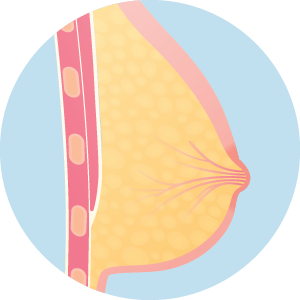
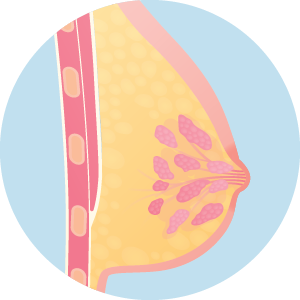
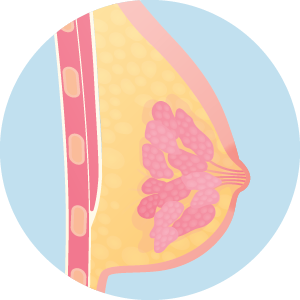
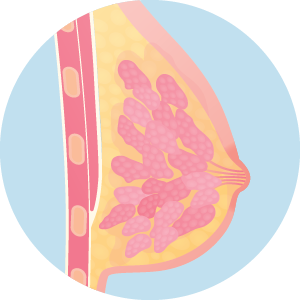
You can’t tell if your breasts are dense by how they feel. Dense breasts don’t feel any different from non-dense breasts. The only way to know if you have dense breasts is by getting a mammogram. When you have a mammogram, the radiologist (a doctor who reviews the images) will categorize your breast density into one of four categories:
1. Almost entirely fatty (Category A): Mostly fatty tissue, which makes it easier to detect any signs of cancer.
2. Scattered areas of dense tissue (Category B): Some dense tissue but mostly fat.
3. Heterogeneously dense (Category C): A large portion of the breast is dense, making it harder to detect cancer.
4. Extremely dense (Category D): Almost all of the breast is dense, making it very hard to detect cancer.
Women in categories C and D are considered to have dense breasts. About half of all women who get mammograms fall into one of these two categories.
Category A |
Category B |
Category C |
Category D |
Breast Density and Cancer Risk
While women with dense breasts may be at a slightly higher risk of breast cancer, breast density is just one part of the picture. Other factors, like your family history, genetics and lifestyle, may also play a role in your overall risk.
Screening Options for Women With Dense Breasts
If you have dense breasts, your doctor may suggest additional screening methods to help detect any signs of cancer more accurately. Here are some options:
- Standard Mammography: This is still the most common and useful screening method, but it may miss some cancers in dense breast tissue.
- 3D mammography (tomosynthesis): This creates a clearer image by taking multiple pictures from different angles, which helps doctors see through dense tissue better than with standard mammograms.
- Ultrasound: Uses sound waves to create images of the breast tissue and may help find cancers that a mammogram can’t. However, it can also lead to false alarms, meaning the test might suggest cancer when there is none.
- MRI (magnetic resonance imaging): Provides a more detailed picture than a mammogram or ultrasound, particularly for women at higher risk of cancer.
What To Do If You Have Dense Breasts
If you’ve been diagnosed with dense breasts, don’t panic. Have a conversation with your doctor about what your breast density means and whether you need additional screening. Make sure to keep up with your mammogram appointments. Based on your individual risk, your doctor may recommend other tests like 3D mammography, ultrasound or MRI.