
Knee Replacement Surgery
Knee Replacement Surgery
Palm Beach Health Network offers knee replacement surgery in Palm Beach County, FL, for patients with knee pain, arthritis or joint damage that has not improved with nonsurgical care. Orthopedic doctors evaluate your symptoms and mobility goals to determine whether partial, total or revision knee replacement may be right for you.

When Knee Replacement May Be Recommended
Knee replacement may be considered when medication, physical therapy, injections or other nonsurgical treatments no longer provide enough relief. The goal is to reduce pain, improve movement and help you return to activities with greater comfort. Patients in Palm Beach County, FL may be evaluated for knee replacement if knee pain is caused by arthritis, degenerative joint disease, injury or cartilage loss.
Your care plan may begin with nonsurgical treatments such as:
- Medication
- Physical therapy
- Therapeutic exercise
- Weight management
- Cortisone injections
- Imaging or orthopedic evaluation
If these treatments are not effective, your orthopedic surgeon may discuss whether surgery is appropriate.
Types of Knee Replacement Surgery
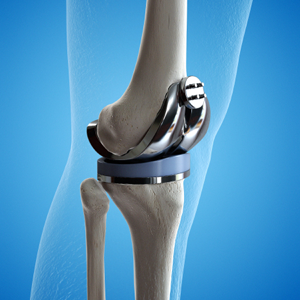
Knee replacement surgery removes damaged parts of the knee joint and replaces them with artificial components designed to help the knee move more smoothly.
Common types of knee replacement include:
- Total knee replacement: The surgeon replaces damaged surfaces of the knee joint. Total knee replacement may be considered when joint damage is more widespread.
- Partial knee replacement: The surgeon replaces only the damaged part of the knee while preserving healthy bone and tissue when possible.
- Revision or complex knee replacement: This may be needed after a previous knee replacement or when joint damage is more advanced.
Your surgeon will recommend an approach based on your diagnosis, joint damage, overall health and recovery goals.
What to Expect After Knee Replacement
Recovery depends on your procedure, health and rehabilitation plan. Some patients go home the same day, while others may need a short hospital stay. Before you leave the hospital, your care team will give instructions for:
- Pain control
- Walking and activity
- Incision care
- Physical therapy
- Follow-up visits
- Symptoms that should prompt a call to the doctor
Rehabilitation is an important part of recovery. Physical therapy and gradual movement can help improve strength, flexibility and function after surgery.
Knee Replacement Accommodations
Patients who receive knee replacement at Palm Beach Health Network may have access to private rooms, guest sleeping accommodations and educational programming to support preparation and recovery. For more information about available orthopedic services, request an orthopedic referral.
Is Knee Replacement Right for Me?
Knee replacement may not be recommended for every patient. Your orthopedic surgeon will review your symptoms, imaging results, previous treatments and health history before recommending a care plan. If knee pain is limiting your daily life, an orthopedic evaluation can help you understand your options.
FAQs
Before a knee replacement consultation, gather details about your knee pain, past treatments, medications and medical history. Your orthopedic physician may also review imaging results or order additional testing to better understand the cause of your pain and whether surgery may be appropriate.
Ask your surgeon about the type of knee replacement being considered, expected recovery, possible risks, pain control and rehabilitation. You may also want to ask how your overall health, activity goals and home support could affect your surgery and recovery plan.
A knee replacement may last many years, but artificial knee parts may wear down over time. How long it lasts depends on factors such as age, activity level, overall health, implant type and how the joint responds after surgery.
Knee replacement surgery has possible risks, including infection, blood clots, stiffness, implant problems or ongoing pain. Your surgeon will explain risks based on your health history and discuss steps your care team may take to help reduce complications.
Some patients may be candidates for both knees to be replaced during one surgery, but this may not be recommended for everyone. Your surgeon will consider your health, knee damage, mobility needs and recovery support before recommending one surgery or staged procedures.
After knee replacement, you may need help with transportation, meals, household tasks and getting safely around your home. Your care team can explain what support may be helpful based on your discharge plan and rehabilitation needs.
Call your doctor after knee replacement if you have fever, worsening pain, chest pain, shortness of breath, severe swelling, drainage from the incision or other concerning symptoms. Your discharge instructions will include specific warning signs and contact information.
Many patients return to daily activities after knee replacement, but timing varies. Your surgeon and therapy team will guide you on walking, driving, work, exercise and other activities based on your healing, strength and mobility progress.