Stroke Story
A Stroke of Fate: How a Family Trip Saved Stephen Garito’s Life
Stephen Garito and his wife Maria were enjoying a short trip from their home in New York, staying at their Florida condo—a getaway they had postponed three times. Their family had been urging them to take a break after a long stretch of heartbreak: their grandson was battling leukemia, and their daughter had been diagnosed with stage 4 pancreatic cancer.
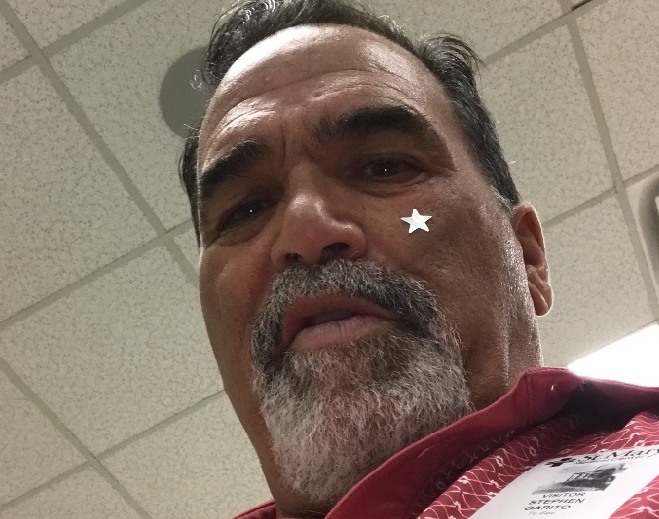
They hesitated to come, believing the repeated delays were a sign for them to stay home. But their loved ones insisted they take a few days to breathe. In the end, it was a decision that may have saved Stephen’s life.
On the morning of March 20, 2024, Stephen woke up feeling ill and began vomiting. Given that Maria had just recovered from the stomach flu, they assumed he had caught the same bug. He rested most of the day, but by 4:20 p.m., things took a sudden turn. Stephen left the room to get his iPad to look up foods that were safe to eat with the flu and Maria found him silently, staring at a blank screen, mumbling incoherently and unable to respond. She remembered something from a recent newscast—FAST, the acronym for stroke symptoms: Face drooping, Arm weakness, Speech difficulty, Time to call 911. She rushed out of the room to Google stroke signs.
By the time she returned, the stroke was unmistakable. Stephen’s face had begun to droop. The entire left side of his body was paralyzed. He tried to move and fell to the floor.
Maria immediately called 911. Palm Beach Fire Rescue, based just across the street from their condo, responded in minutes. En route, EMTs called ahead to request a CT scan at St. Mary’s Medical Center. The imaging confirmed a severe stroke, and surgery was needed immediately. While Maria was still driving to the hospital she gave consent over the phone for the emergency surgery.
Stephen was rushed in for mechanical thrombectomy surgery, a procedure that would not have been available at the hospital near his home in NY. Dr. Daniel Vela-Duarte, a neurointerventionalist, led the procedure. He spent the next four days recovering at St. Mary’s. Despite the fear and uncertainty of being so far from home, Maria felt comforted by the staff’s compassion and professionalism.
“Our son and daughter flew down,” she said. “Every single person we encountered—from doctors to nurses to support staff—was extraordinary.”
Stephen’s recovery defied expectations. On the day of his discharge, he refused a wheelchair. “I’m walking out of here,” he said—and he did.
Even more remarkably, Stephen was left with no neurological deficits. Just one week after his stroke, Stephen and Maria attended their first stroke support group at the hospital. Since then, they have attended seven or eight meetings, finding both emotional and spiritual strength through shared experience.
The connection came through Stu, a fellow stroke survivor who visited Stephen during his hospital stay and encouraged him to join the group.
“The group has meant a lot,” Stephen said. “Emotionally, you process what happened and deal with the fear of it happening again. It helps knowing others have been through the same.”
During follow-up appointments at Palm Beach Neuroscience Institute, Stephen and Maria discussed the stress they had been under—stress that may have contributed to his stroke. In response, Dr. Malek inserted a link device, a cardiac monitor designed to detect irregular rhythms and reduce the risk of future strokes.
Dr. Vela-Duarte also continued testing to determine the cause of the stroke, leaving no questions unanswered.
Maria reflected on the timing of it all. “We were so hesitant to come,” she said. “We thought the delays were signs we shouldn't go. But after everything, Stephen’s cousin said something that stuck with us: ‘God wanted you to be here.’ And I believe that now.”
“If this had happened back home,” she added, “Stephen is retired and might have been home alone. Here, he wasn’t.”
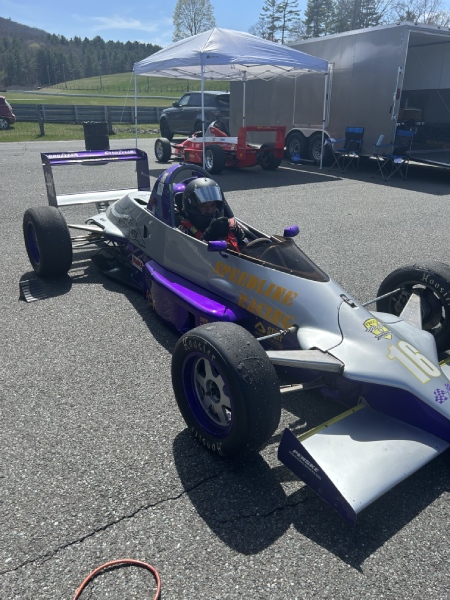
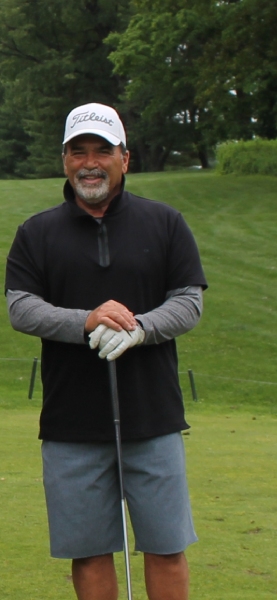
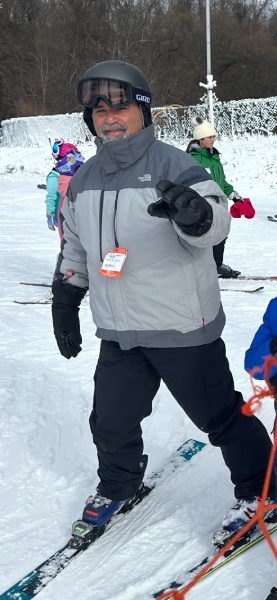
Stephen is now back to doing the things he loves—amateur auto racing, golfing and skiing. And while their visit to Florida began with unimaginable stress, the Garitos are deeply thankful for the care they received and the community they found.
“We’re grateful,” Stephen said simply. “St. Mary’s gave me a second chance.”
 |  |  |